Sober Living
Rebuilding Routine With Sober Rides
How a predictable cycling routine can support recovery, accountability, and clearer mornings.
Sober Living
Start With A Small Promise
Recovery-friendly routines work best when they begin small enough to keep. Promise a fifteen-minute ride, a neighborhood loop, or a short spin on the trainer. When the promise is realistic, it becomes easier to keep showing up, and that is what starts rebuilding trust in the day.
Sober Living
Make The Ride Predictable
Predictability lowers stress. Choose familiar routes, regular times, and repeatable gear so the ride does not require a lot of extra thinking. A stable routine leaves more mental energy for the parts of life that actually need attention.
Sober Living
Treat Recovery Like Training
A sober riding routine only works if sleep, hydration, and food are part of it. The ride itself is one input, but the support around the ride matters just as much. When you treat recovery as part of the plan, the routine becomes more durable and less fragile.
Sober Living
Use The Return Home
The ride is not only about leaving the house. It is also about coming back with a calmer head and a clearer next step. That return home is where the habit proves itself, because the rest of the day still has to be handled with normal responsibilities and real decisions.
Sober Living
Build Accountability Into The Week
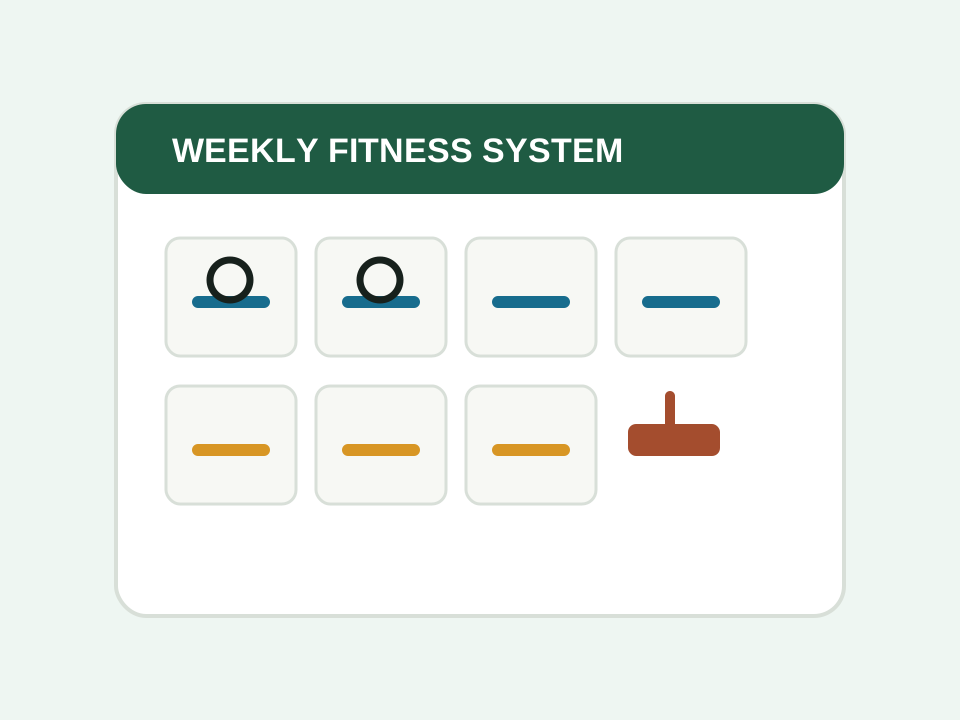
A weekly ride schedule can create a kind of accountability that feels practical instead of performative. When the pattern is visible, it becomes easier to notice when the routine starts slipping. That early notice matters because small corrections are easier than major recoveries.
Deeper notes
How This Fits The Bigger Ride
Routine is one of the most practical tools in sober living. Cycling turns routine into something visible: a time, a route, a pace, and a return home that can be repeated.
Repeat The Same Shape First
Early on, the shape of the ride matters more than the distance. Pick the same start time, the same loop, or the same trainer session until it feels normal. Repetition lowers friction and makes it easier to keep showing up when the week gets harder.
Use Accountability Without Pressure
A routine can be accountable without being rigid. Share your plan with a friend, log the ride, or keep a simple calendar note. The goal is to make the habit visible enough that you notice when it changes, not to turn the day into a performance review.
Build Confidence One Ordinary Ride At A Time
Confidence usually comes from keeping small commitments. If the plan says ride for twenty minutes, then ride for twenty minutes and finish calm. The ordinary success of a manageable ride is what makes a routine durable enough to carry recovery forward.